Seleccionar un reemplazo rodillo de tambor para camión hormigoneraexige precisión, no suposiciones. Su camión hormigonera requiere componentes que coincidan con su marca y modelo exactos. El material y la dureza del rodillo son el determinante principal tanto de la vida útil del rodillo como del desgaste de la pista del tambor. Un rodillo más duro dura más, pero acelera el daño a la pista; uno más blando protege el tambor, pero falla antes.
También debe evaluar las dimensiones, la calidad de los rodamientos, el estilo de montaje y la fiabilidad del proveedor. Ignorar cualquier factor invita a un fallo prematuro.
¿Está reemplazando un rodillo de tambor solo para enfrentarse al mismo fallo meses después? Una inspección adecuada de su rodillo actual frente a las especificaciones del OEM evita costosos tiempos de inactividad repetidos. Confíe en proveedores experimentados para obtener orientación sobre varios modelos de camiones hormigonera.
El material del rodillo debe soportar una rotación constante bajo cargas pesadas. El hormigón húmedo es altamente abrasivo. La naturaleza abrasiva del hormigón acelera el desgaste en cualquier superficie con la que entra en contacto. Las partículas de hormigón endurecido actúan como papel de lija entre el rodillo y la pista del tambor. El rodillo de tambor de su camión hormigonera presiona directamente contra el anillo de la pista del tambor. La elección del material determina cuánto dura el rodillo. También determina cuánto daño causa el rodillo a la pista del tambor.
Un rodillo más duro resiste el desgaste durante más tiempo. Mantiene su forma bajo presión. Pero esta dureza transfiere el desgaste a la pista del tambor. El anillo de la pista desarrolla surcos y puntos planos con el tiempo. Estas imperfecciones causan vibración y una rotación desigual. Reemplazar una pista desgastada cuesta significativamente más que reemplazar un rodillo. Un rodillo más blando protege la pista del tambor. Absorbe la abrasión y se sacrifica. Sin embargo, falla antes. Usted se enfrenta a reemplazos más frecuentes y más tiempo de inactividad. Debe equilibrar estos resultados. La dureza correcta reduce el costo operativo total sin sacrificar la fiabilidad. Diferentes camiones hormigonera pueden requerir diferentes niveles de dureza según el material de su pista. Consulte su manual de servicio para conocer las especificaciones recomendadas.
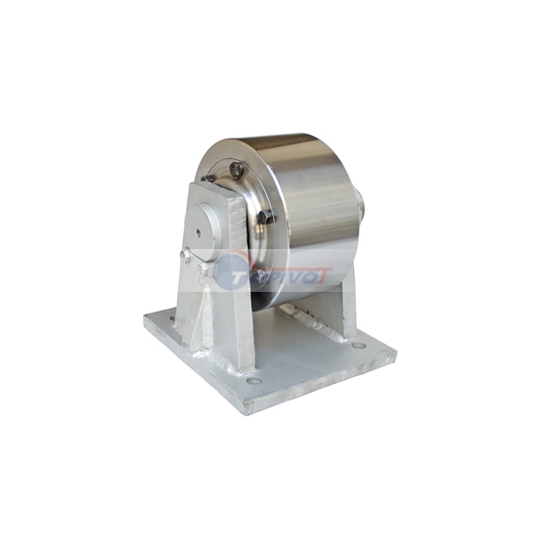
No puede adivinar la dureza de una pieza de repuesto. Solicite certificados de prueba de dureza a su proveedor. Existen métodos estándar de prueba de dureza para medir la indentación bajo carga. Ambos proporcionan datos fiables. Compare estos números con las especificaciones del OEM para su hormigonera. Un desajuste conduce a los problemas descritos anteriormente.
Realice una inspección exhaustiva de su rodillo actual antes de realizar el pedido. Observe cualquier patrón de desgaste inusual. Estos patrones indican un desajuste de dureza con la pista del tambor. Utilice esta inspección para guiar su selección. Un informe de material certificado confirma que el rodillo cumple con los valores de dureza establecidos. Este documento proporciona trazabilidad y garantía de calidad. Confíe solo en proveedores que proporcionen esta documentación. Su camión hormigonera requiere precisión. Elegir el material incorrecto para la exposición al hormigón conduce a una degradación rápida. Cualquier desviación de las especificaciones del OEM para aplicaciones de hormigón acorta la vida útil del componente. El material y la dureza correctos forman la base de un reemplazo fiable.
No puede instalar un rodillo que simplemente parezca similar a su pieza original. El rodillo debe coincidir con la marca y el modelo específicos de su camión hormigonera. Un componente genérico puede no alinearse correctamente con el anillo de la pista del tambor. La desalineación crea puntos de presión desiguales. Esos puntos aceleran el desgaste tanto en el rodillo como en la superficie de la pista.
Los catálogos de los fabricantes enumeran las dimensiones precisas para cada pieza de repuesto. Necesita tres medidas críticas: diámetro, ancho y perfil de la banda de rodadura. El diámetro determina cómo el rodillo entra en contacto con el anillo de la pista. El ancho afecta la distribución de la carga a través de la superficie de contacto. El perfil de la banda de rodadura influye en cómo el rodillo sigue el anillo durante la rotación. Los catálogos de los proveedores proporcionan estas especificaciones para las principales marcas. Sus listados incluyen el ancho, la dimensión X y la dimensión Y para cada aplicación. Debe comparar estos números directamente con su rodillo extraído.
Su manual de servicio tiene la clave para una identificación correcta. Localice el número de pieza original antes de pedir nada. Por ejemplo, un rodillo específico tiene un número de pieza preciso que corresponde a especificaciones dimensionales exactas. No puede sustituir una pieza de aspecto similar de otra marca sin verificar las tolerancias.
Las tolerancias del OEM importan porque el anillo de la pista del tambor tiene una geometría fija. Un rodillo que se desvíe incluso ligeramente de la especificación causará vibración. La vibración conduce a un fallo prematuro del rodamiento y daños en la pista. Debe medir el diámetro y el ancho de su rodillo viejo usando calibradores. Registre estos números junto con el número de pieza de su manual. Este proceso de inspección lleva minutos, pero evita errores costosos.
Existen reemplazos específicos de marca para camiones hormigonera populares. Un rodillo de tambor de hormigonera para una marca específica debe coincidir con las especificaciones del anillo de la pista de esa marca. Otra marca requiere sus propias dimensiones específicas. Cada fabricante diseña su sistema de tambor de manera diferente. No puede asumir la intercambiabilidad entre marcas. Su inspección debe confirmar que el número de pieza coincide con la documentación de su camión. Cuando realice el pedido, proporcione tanto el número de pieza como sus dimensiones medidas. Esta doble verificación garantiza que el proveedor envíe el componente correcto. El entorno del hormigón no deja lugar a la aproximación. El ajuste preciso determina si su reemplazo dura o falla prematuramente.
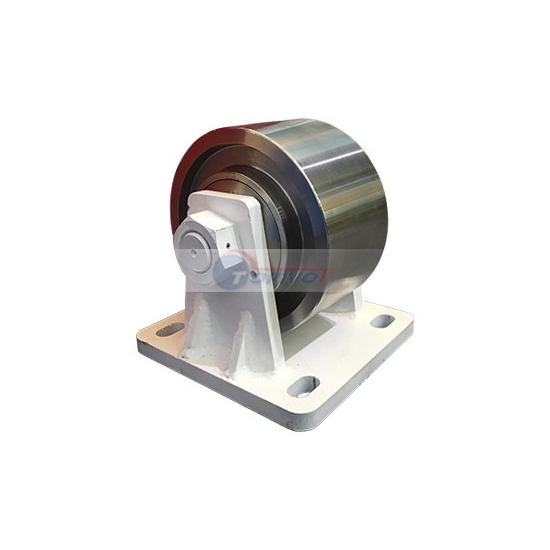
Los rodamientos soportan todo el peso del tambor y su contenido. El hormigón húmedo se desplaza durante el tránsito, creando cargas dinámicas que cambian constantemente. El rodillo de tambor de su camión hormigonera depende de rodamientos de calidad para manejar estas fuerzas. Un fallo en el rodamiento detiene toda su operación. Necesita componentes diseñados para este entorno exigente.
El polvo de hormigón y la humedad penetran rápidamente en los rodamientos sin protección. Los rodamientos engrasados requieren programas de mantenimiento regulares. Debe acceder al rodillo, limpiar el accesorio y aplicar grasa fresca a intervalos precisos. Muchos operadores de flotas omiten este paso bajo la presión de los plazos. El resultado es contaminación y desgaste prematuro.
Los rodamientos sellados eliminan este problema. Las unidades selladas de fábrica mantienen las partículas abrasivas fuera por completo. Nunca necesita lubricarlos durante su vida útil. Este diseño reduce significativamente la mano de obra de mantenimiento. La compensación aparece en el momento del reemplazo. Las unidades selladas cuestan más que sus contrapartes engrasadas. Usted paga un precio inicial más alto por un menor tiempo de inactividad y mayores intervalos de servicio.
Su entorno operativo determina la elección correcta. Una hormigonera que trabaja en condiciones polvorientas se beneficia de la protección sellada. Una unidad que opera en entornos más limpios puede funcionar adecuadamente con rodamientos engrasados. Considere su aplicación específica antes de decidir. El costo del fallo del rodamiento del tambor supera con creces la diferencia de precio entre los tipos de rodamientos.
Cada rodamiento tiene una capacidad de carga dinámica. Este número indica la carga máxima que el rodamiento puede soportar durante la rotación. Debe comparar esta capacidad con el peso máximo del tambor de su hormigonera. Un tambor completamente cargado genera una fuerza considerable sobre cada rodillo. Subestimar esta carga conduce a un fallo prematuro.
Su manual de servicio especifica la capacidad de carga correcta para su equipo. Un rodillo de tambor de hormigonera para una marca específica requiere rodamientos adaptados a la capacidad del tambor de dicha marca. Otra marca exige su propia capacidad de carga específica. Los rodamientos genéricos pueden parecer similares, pero carecen de la resistencia necesaria.
La inspección regular de los rodamientos y rodillos del tambor evita averías inesperadas. Compruebe si hay ruidos inusuales, vibraciones o calor durante el funcionamiento. Estas señales indican problemas en los rodamientos. Programe la inspección a intervalos rutinarios. Documente sus hallazgos cada vez. Este registro le ayuda a predecir el momento del reemplazo y a presupuestar en consecuencia.
Los proveedores de confianza suministran rodamientos que cumplen con las especificaciones OEM de las principales marcas de hormigoneras. Su equipo técnico puede verificar las capacidades de carga con respecto a los requisitos de su equipo. Evitará las conjeturas al consultar a especialistas. Una selección adecuada de rodamientos protege su inversión y mantiene productivo su camión hormigonera. Los rodamientos correctos reducen los costes operativos totales a lo largo de la vida útil de su flota.
El estilo de montaje debe alinearse con los soportes existentes en el bastidor de su camión hormigonera. La desalineación provoca un desgaste desigual y vibraciones. Esta vibración se propaga por todo el sistema. Experimentará un fallo prematuro tanto en el rodillo como en el anillo de rodadura. El resultado es un tiempo de inactividad no planificado y mayores costes de reparación.
Mida su rodillo viejo antes de comprar un reemplazo. Empiece por el diámetro del eje. Debe encajar con precisión en el alojamiento del rodamiento. El entorno del hormigón acelera el desgaste de los componentes desalineados. Luego, mida el patrón de pernos. El espacio entre los pernos determina si el rodillo se monta de forma segura. Compruebe también el espacio entre los soportes. Estas tres medidas confirman la compatibilidad con el bastidor de su camión. Esta inspección solo lleva unos minutos, pero evita errores costosos.
Diferentes fabricantes utilizan diferentes configuraciones de montaje. Un rodillo de tambor de hormigonera para una marca específica utiliza dimensiones de eje y patrones de pernos específicos. Otra marca requiere su propio hardware de montaje específico. No puede asumir la intercambiabilidad entre marcas. Su manual de servicio enumera las especificaciones exactas para su modelo. Consúltelo antes de pedir piezas para camiones hormigonera. Un proveedor de confianza puede verificar estas medidas con su inventario.
Los rodillos están disponibles como conjuntos completos o componentes individuales. Un conjunto completo incluye el rodillo, los rodamientos, el eje y el hardware de montaje. Un componente individual solo reemplaza la pieza desgastada.
Los conjuntos completos simplifican la instalación. Usted retira la unidad vieja e instala la nueva. No se requiere prensado ni ajuste. Este enfoque ahorra tiempo de mano de obra y elimina piezas que no encajan. Los componentes individuales permiten un reemplazo específico. Si solo la superficie del rodillo muestra desgaste, reemplaza solo el rodillo. Este enfoque ahorra dinero cuando otras piezas siguen siendo útiles. Su hormigonera requiere componentes fiables.
Sin embargo, realice una inspección cuidadosa de todos los componentes. Un rodamiento que parece estar bien puede fallar poco después de la instalación. Considere la antigüedad de su conjunto actual. Las unidades más antiguas se benefician de un reemplazo completo. Las unidades más nuevas pueden necesitar solo un componente. Una inspección de todo el sistema del tambor guía esta decisión. Su operación de mezcla de hormigón exige fiabilidad.
Su pieza de repuesto es tan fiable como la empresa que la respalda. Abastecerse de proveedores especializados en piezas para camiones hormigonera protege su inversión. Los proveedores especializados han construido su reputación en esta categoría de equipo específica. Entienden las condiciones exigentes a las que se enfrenta su maquinaria a diario.
Debe verificar el sistema de gestión de calidad de cada proveedor antes de comprometerse a una compra. Los fabricantes de renombre muestran con orgullo sus certificaciones. Estas credenciales demuestran un control de calidad constante en todas sus líneas de producción.
Certificaciones verificadas: Todos los proveedores recomendados poseen con orgullo certificaciones CE o ISO 9001 estándar de la industria, lo que garantiza la calidad y el cumplimiento global. Todas las unidades pasan pruebas previas al envío del 100%, incluidas pruebas de carretera, lluvia y carga.
Consulte el manual de servicio o la guía de piezas de su camión hormigonera para las principales marcas. Esta documentación enumera los números de pieza correctos para su modelo específico. Compare esos números con el catálogo del proveedor. Un proveedor de confianza verificará con gusto la compatibilidad antes de que realice su pedido. Este proceso de verificación sirve como su primera línea de defensa contra componentes que no encajan.
Una garantía sólida le protege contra defectos de fabricación y desgaste prematuro. Debe leer los términos detenidamente antes de comprar. La mayoría de las garantías cubren defectos en materiales y mano de obra. No cubren daños resultantes de una instalación incorrecta o desalineación. Comprender estas distinciones evita sorpresas desagradables más adelante.
Haga preguntas directas sobre el proceso de reclamaciones. ¿Cuánto tiempo tarda la aprobación? ¿Quién cubre los gastos de envío de las devoluciones? ¿El proveedor ofrece unidades de reemplazo mientras la suya se somete a evaluación? Estos detalles prácticos determinan si la garantía proporciona un valor real o si solo existe sobre el papel.
Su rutina de inspección debe extenderse más allá del rodillo en sí. Documente la fecha de instalación, las condiciones de funcionamiento y cualquier problema que observe. Este registro respalda las reclamaciones de garantía si surgen problemas. Un proveedor de confianza ofrece soporte técnico para ayudarle a diagnosticar problemas antes de que se agraven. Su experiencia le ayuda a distinguir entre una pieza defectuosa y un problema de instalación.
La relación correcta con el proveedor reduce significativamente su tiempo de inactividad. Obtiene acceso a orientación técnica precisa, piezas de repuesto originales y un servicio al cliente receptivo. Su operación de hormigón depende de equipos fiables. Elija un socio que entienda esa realidad. La pieza más barata de una fuente desconocida rara vez ofrece valor a largo plazo. Un proveedor de confianza con credenciales verificables y términos de garantía transparentes protege sus resultados en cada rotación del tambor.
Seleccionar el rodillo de tambor de camión hormigonera adecuado requiere cinco factores clave. Verifique primero la dureza del material. Confirme las dimensiones con su número de pieza original. Elija el tipo de rodamiento correcto. Asegure la compatibilidad de montaje. Seleccione un proveedor de confianza.
El material y la dureza filtran sus opciones primero. Ignorar los otros cuatro factores sigue provocando fallos prematuros en los camiones hormigonera.
Antes de pedir un reemplazo de tambor, consulte el manual de servicio de su camión hormigonera. Confirme el número de pieza exacto y las especificaciones. Si no está seguro de algún factor, póngase en contacto con un representante de ventas técnicas. Un proveedor especializado puede ayudarle a evitar errores costosos.
Su operación de hormigón depende de equipos fiables. La inspección adecuada de su tambor y componentes actuales evita tiempos de inactividad innecesarios.
Su lista de verificación de inspección diaria debe incluir la inspección del estado del tambor, la alineación del rodillo y el hardware de montaje en su camión hormigonera. Una lista de verificación de inspección diaria le ayuda a realizar un seguimiento del desgaste a lo largo del tiempo. Esto evita fallos prematuros.
Una lista de verificación previa al viaje incluye la inspección de los componentes hidráulicos. Una lista de verificación de inspección diaria para piezas de hormigón evita fallos hidráulicos. La inspección regular de estas piezas es esencial.
Los puntos de inspección clave incluyen la superficie de los rodillos, los rodamientos y el anillo de rodadura. Una inspección exhaustiva de estas áreas en su camión hormigonera ayuda a identificar el desgaste. Las revisiones periódicas de estos puntos de inspección ahorran dinero. Esta revisión diaria evita reparaciones costosas.
Realice una inspección de la hormigonera a diario antes de su funcionamiento. Esta tarea de mantenimiento del vehículo requiere la inspección de piezas clave. Su inspección diaria de los componentes de hormigón en el sistema del tambor protege su inversión. Las revisiones completas garantizan el rendimiento.
La inspección periódica le ayuda a determinar con precisión el momento de sustituir el tambor. Su inspección diaria de los patrones de desgaste en el rodillo de su camión hormigonera indica cuándo es necesaria la sustitución. Esto evita daños en la pista de rodadura. Las revisiones constantes prolongan la vida útil de los componentes.
escanear a wechat